THE STORY / 1980–2026
Curiosity became
a life’s work.
Mike Potter’s path through personal computing, business software, service, and the web.
01 / 1980
It started with possibility.
Mike’s introduction to programming came through an Apple II his father bought while he attended Granada High School in Livermore, California. Friends competed to see what new things they could make the computer do.
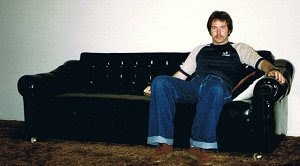
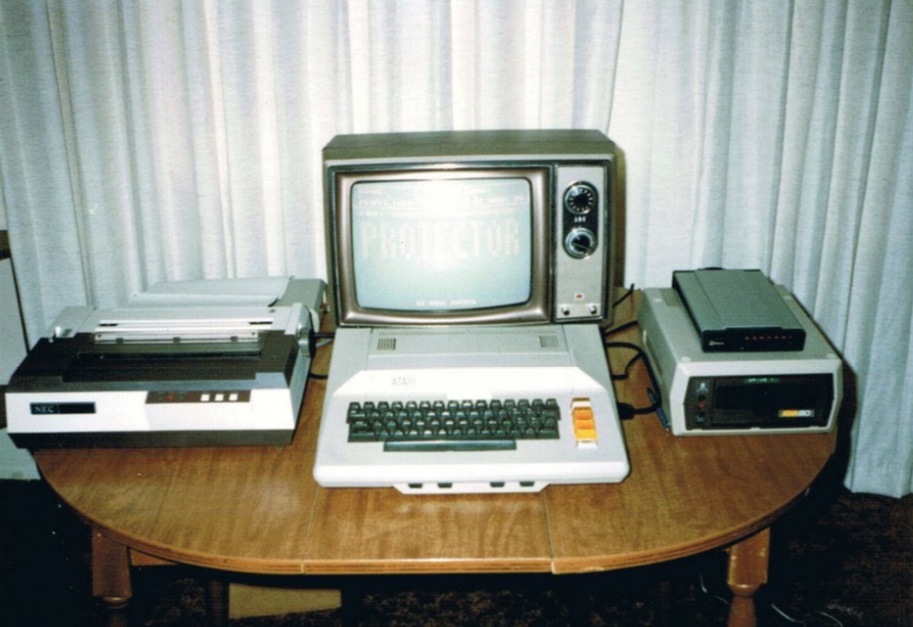
After graduating in 1980, Mike moved to Washington and began working at an electronics store. An Atari 800 opened another world of possibilities. Under the Micro Mike’s name, he packaged his own games and placed them in local computer stores on consignment.
02 / 1981–1983
A place in the Atari story.
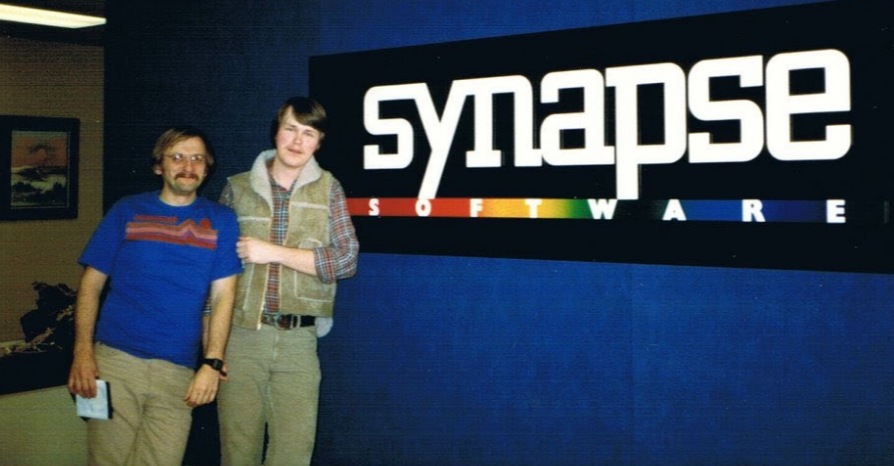
In 1981, Mike worked with Crystalware, programming titles for the Atari. Protector became a defining project. Later that year, he brought the game to Synapse Software, where he worked with Ihor Wolosenko.
Mike also introduced his best friend from high school, Steve Hales, to Synapse. Steve went on to develop Slime, Fort Apocalypse, and other games for the company.
Protector, Protector II, Chicken, Nautilus, and Shadow World became the core of his Synapse catalogue. Contemporary magazines reviewed the games and discussed their graphics, animation, and split-screen play. Mike later named Shadow World as his personal favorite.

Two views of one world.
Nautilus gave the submarine and surface-ship players independently scrolling views. In October 1982, ANTIC devoted a detailed review to how it worked.
Read the original coverage →03 / THE 1980S–1993
Making software useful.
With the rise of IBM-compatible PCs, Mike shifted into accounting, education, and business software through Olympic Business Systems and Olympic Educational Software. The work ranged from spelling and typing tools to payroll, inventory, and reservation systems.
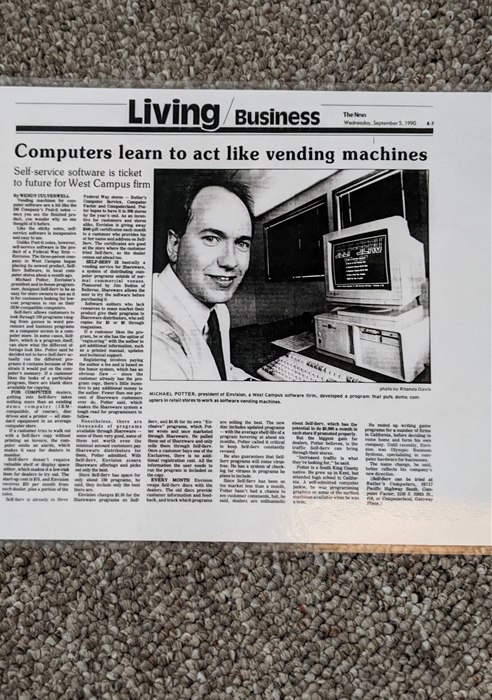
In 1990, The News featured Envision’s Self-Serv, a system that let customers browse and copy shareware at computer stores. The article identified Mike as Envision’s president and in-house programmer, and pictured him beside the system.
Envision Software, Inc. was founded in 1989. In 1991, Mike created QuickPay, a payroll add-on for Quicken. After he showed the packaged product to Egghead Software, they put him in touch with Intuit. Intuit licensed QuickPay; Mike also wrote QuickInvoice for the company.
The original TamerSolutions company history records QuickPay as appearing on the top-ten PC software bestseller list for three years.
Browse the business software →04 / 1994–1999
A different kind of work.
Mike and his wife spent five years as missionaries in the Virgin Islands and Puerto Rico. In his own account, much of their work became hurricane relief: farming, concrete work, roofing, and serving people rebuilding their lives.
It is a chapter of the story that reaches beyond software.
05 / 1999–2026
A new frontier: the internet.
Returning to Washington in 1999, Mike restarted Envision Software. A friend introduced him to eBay, and a growing list of bookmarked auctions suggested a better way to keep track of things. The first AuctionTamer was released in July 1999.
The Tamer family grew to include tools such as StormTamer, ShopTamer, BidTamer, ImageTamer, and InboxTamer. Later work expanded into websites and personal projects.
AuctionTamer is part of the history. It was discontinued in November 2026 and is preserved here as a chapter of Mike’s work.
06 / 2026
46 years. A new chapter.
With retirement comes a chance to look back. This archive preserves the programs, the original packaging, and the magazine coverage that tell the story of a career spanning generations of personal computing.
Mike’s 2026 projects include Bible Verse Memory and MaxFitnessWithMike.com—new entries in a long history of exploring ideas.
Explore the complete archive →Based on the original TamerSolutions About Us page, Mike’s first-person account published January 17, 2000, contemporary magazine coverage, documents from Mike’s personal collection, and photographs and recollections shared by Mike. Read Mike Potter’s Story ↗ · Explore the sources